


How To Verify A Beauty Machine Manufacturer in China Before Ordering: 12 Checks
Buying professional aesthetic equipment from overseas is not only a product-selection decision. It is also a supplier-risk decision involving product consistency, certification, technical support, replacement parts and long-term operating cost.
A polished catalog or low quotation does not prove that a seller controls production. Before paying a deposit, clinics, medical spas and distributors should verify the supplier through documents, live evidence and written commercial terms.
1. Verify the Legal Company and Factory Address
Ask for the supplier's registered company name, business license, factory address and export entity. These details should match the quotation, proforma invoice, bank beneficiary and shipping documents.
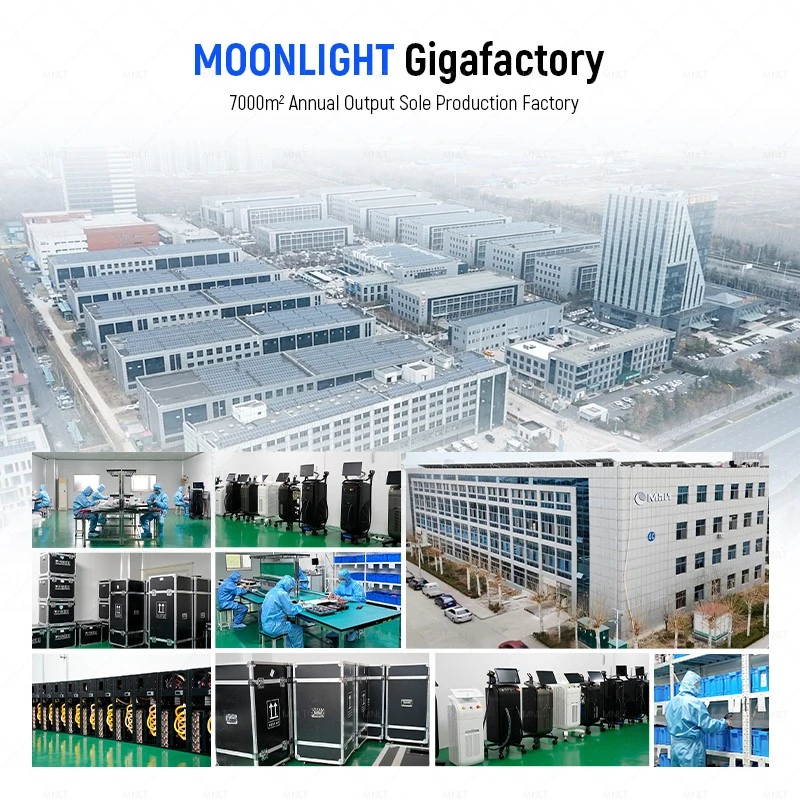
A difference is not automatically fraudulent-a factory may use an authorized export company-but the relationship should be explained and documented before payment. Review the Shandong Moonlight factory profile and manufacturing background as an example of the information a supplier should make available.
2. Request a Live, Unedited Factory Tour
Recorded videos can be reused by trading companies. Ask the salesperson to conduct a live video call and move continuously through reception, assembly, testing, warehouse and packing areas. During the call, request a handwritten note showing your company name and the current date beside the machine.
Also ask to see:
Models currently on the assembly line
Component and spare-parts storage
Aging or continuous-operation testing
Packaging and finished-goods areas
The technicians who provide remote service
A genuine factory should be able to connect its sales claims with visible production activity.
3. Match Certificates to the Exact Product
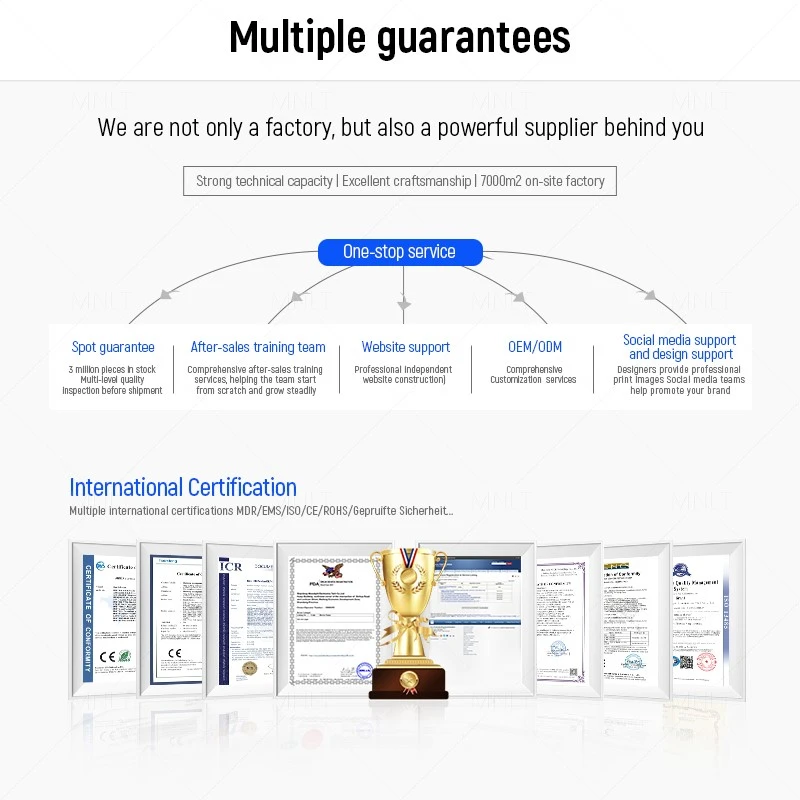
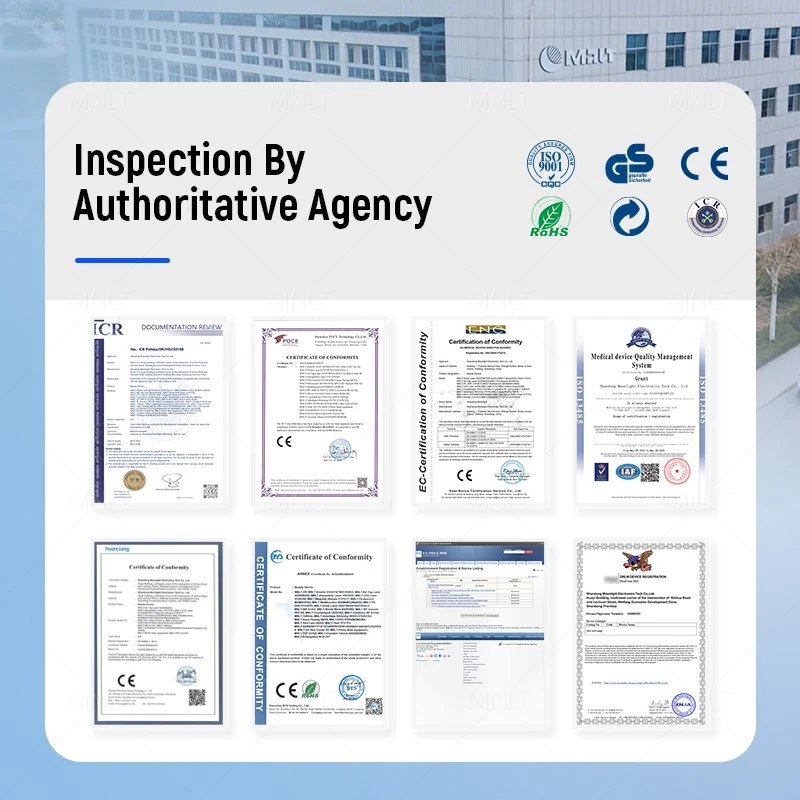
Do not accept a folder of unrelated CE, EMC, LVD, RoHS, ISO or registration documents. Check the manufacturer name, product description, model number, standard, issuing body, report number and validity date.
Most importantly, ask whether changing the wavelength, power supply, handpiece, software or enclosure changes the certified configuration. Local import and operating rules vary, so the buyer remains responsible for confirming destination-market requirements with a qualified compliance adviser.
4. Audit the Specification Sheet Line by Line
Marketing pages often mix maximum options with standard configuration. Mark every critical item on the quotation:
Technology and wavelength
Handpiece output versus whole-machine rated power
Spot size, frequency and pulse range
Cooling architecture
Voltage and plug standard
Machine and package dimensions
Net and gross weight
Included handpieces and accessories
For example, the MNLT D1 configurable triple-wavelength diode laser lists multiple handpiece-power and spot-size options. A responsible purchase order should state which version will actually be produced rather than assuming every option is included.
5. Ask for a Real-Time Machine Demonstration
A demonstration should show more than the startup screen. Ask the operator to display the model label, serial number area, accessory connections, user interface, parameter adjustment, cooling response and shutdown process.
For laser or energy-based equipment, request a continuous demonstration appropriate to the device and ask how output, temperature, flow, water level and alarms are tested. If the supplier cannot show the exact configuration, make sample approval a condition before bulk production.
6. Inspect the Quality-Control Process
Ask for the incoming-component checklist, assembly inspection sheet, aging-test record and final outgoing inspection form. The supplier should explain who signs each checkpoint and which failures prevent shipment.
Useful evidence includes dated records tied to a serial number-not a generic "QC Passed" sticker. Buyers ordering repeatedly should agree on a pre-shipment inspection format that can be reused for every batch.
As a starting point for due diligence, buyers can review the MNLT beauty machine manufacturing, quality-control and distributor support framework and then request model-specific records to verify each relevant claim before ordering.
7. Verify Components and Replacement Availability
Brand names alone are insufficient. Ask for the exact component model, country of origin where relevant, expected service life and replacement procedure. Confirm whether pumps, screens, power supplies, control boards, handpieces and connectors are modular and stocked.
A lower purchase price can become expensive if one proprietary component causes weeks of downtime. Request a recommended spare-parts package for distributors or high-volume clinics.
8. Test Technical Support Before Buying
Send the supplier a realistic troubleshooting question before placing the order. Evaluate response speed, clarity and whether an engineer-not only a salesperson-can explain the diagnosis.
Request samples of the operation manual, installation guide, maintenance schedule, training videos and error-code list. Confirm available support languages, communication channels and service hours.
9. Put Warranty Terms in Writing
"Two-year warranty" is incomplete unless the contract defines coverage. Clarify:
Start date and warranty period
Covered and excluded components
Consumables and accidental damage
Who pays freight, duties and labor
Response time for troubleshooting
Conditions for replacement parts
Support after the warranty expires
The final proforma invoice or contract should control the transaction-not informal chat messages.
10. Evaluate OEM/ODM Capability
If you are building a regional brand, ask for evidence of previous customization and a written scope covering the logo, casing color, metal plate, startup screen, language, packaging and manuals.
Confirm minimum order quantity, artwork format, sample approval, tooling ownership and whether customized software can be maintained after delivery. Browse the current professional beauty equipment portfolio to identify which base platforms fit your target market before requesting private-label changes.
11. Compare the Total Landed and Operating Cost
Compare quotations using the same Incoterm and configuration. Include freight, duties, customs documentation, local installation, consumables, spare parts, training and potential downtime.
Ask whether the quotation is EXW, FOB, CIF or DDP, and identify who carries risk at each stage. A cheaper machine may not be the lower-cost choice if the package excludes essential handpieces or reliable parts support.
12. Use a Staged Payment and Inspection Plan
For an initial order, avoid moving directly from catalog selection to full payment. A safer sequence is:
Approve the written specification and commercial terms.
Confirm product-specific compliance documents.
Conduct a live factory and machine review.
Approve a sample or production video where practical.
Complete pre-shipment inspection against the agreed checklist.
Release the remaining payment according to the contract.
Keep the invoice, test record, serial-number evidence, packing list and shipping documents together for future warranty support.

Red Flags That Require Further Verification
Pause the purchase if the supplier:
Refuses a live factory tour without a clear reason
Uses different company names across documents without explanation
Sends certificates that do not identify the ordered model
Avoids writing the final configuration on the invoice
Promises guaranteed clinical results or an unrealistic payback period
Cannot explain warranty freight and replacement procedures
Pressures you to pay before specification approval
One red flag may be solvable. Several unresolved inconsistencies indicate unnecessary commercial risk.
FAQ for Clinics and Distributors
Is a business license enough to prove the supplier is a factory?
No. A license proves registration, not manufacturing control. Combine document checks with a live tour, production evidence and model-specific test records.
How can I verify a beauty machine certificate?
Check the legal manufacturer, model, standard, report number, issuing organization and validity. Contact the issuer or search its database where available.
Should I order a sample before a distributor batch?
For a new supplier or customized model, sample approval reduces configuration and branding risk. Record approved software, accessories and specifications for later batches.
What should I request before paying a deposit?
Request the final specification, quotation, payment beneficiary, warranty, lead time, Incoterm, accessory list and product-specific compliance documents.
What information should I include when requesting a quotation?
State your country, buyer type, target product, required quantity, voltage, certification needs, preferred shipping term and OEM requirements.
Request a Verifiable Factory Proposal
A useful supplier quotation should make comparison easier-not hide key decisions. Send MNLT your target product, country, quantity and compliance requirements to receive:
A model-specific configuration sheet
Available certification files for review
Wholesale and distributor pricing
FOB, CIF or DDP shipping options
OEM/ODM scope and minimum quantity
A live machine demonstration or virtual factory tour
Request the MNLT wholesale catalog, certification package and live factory audit before confirming your next aesthetic equipment order.


